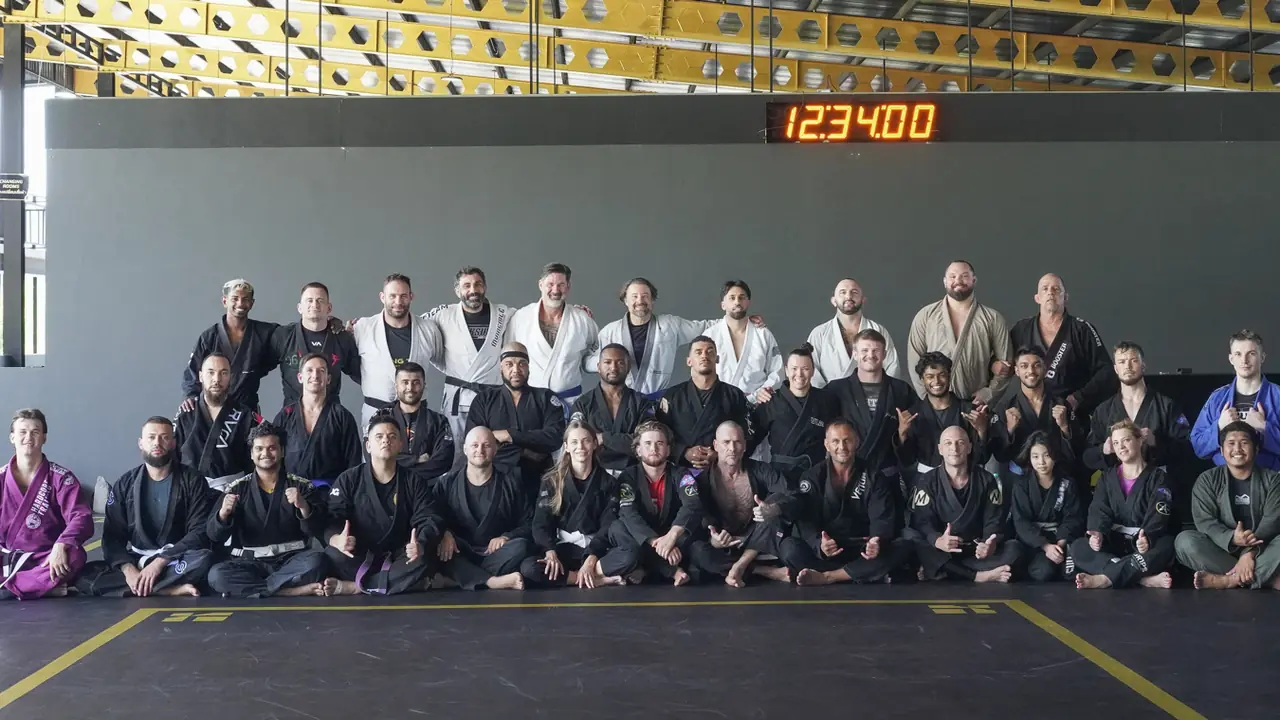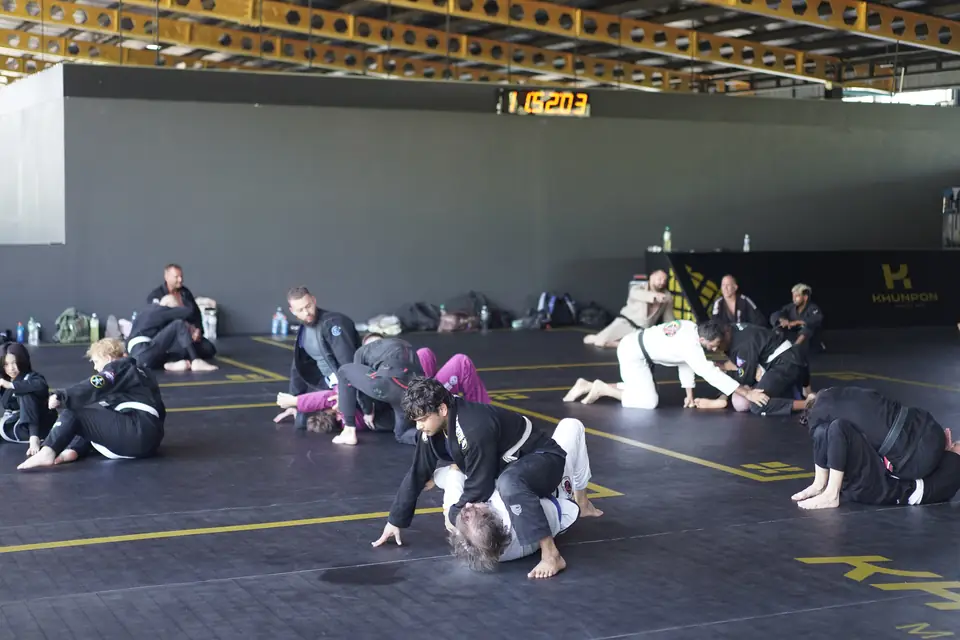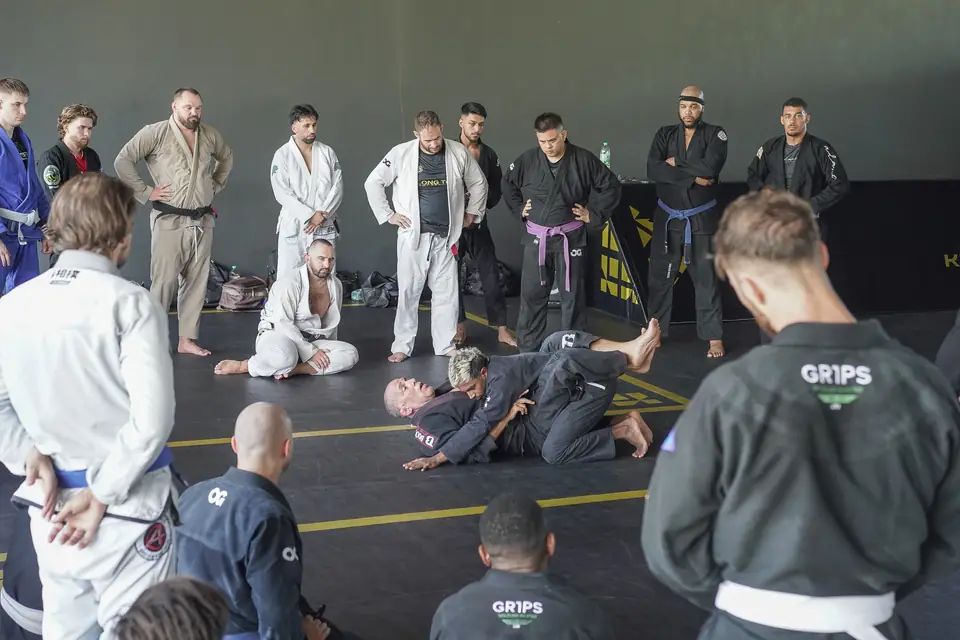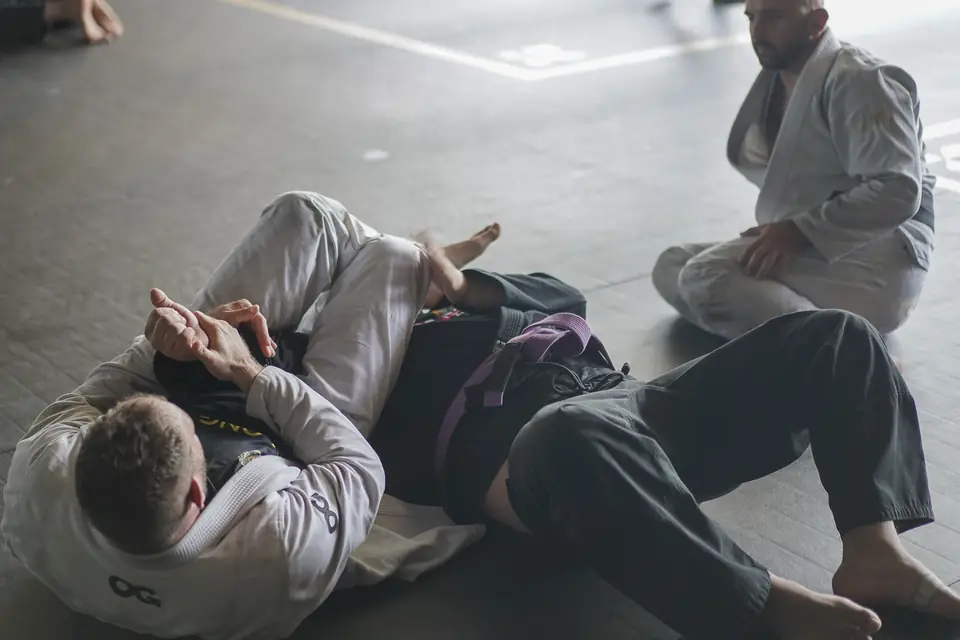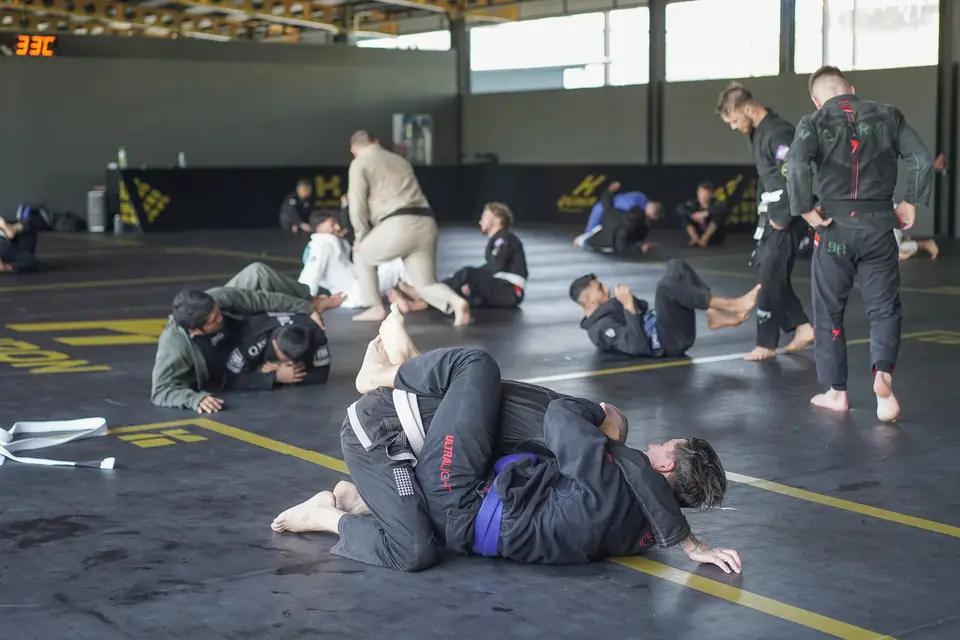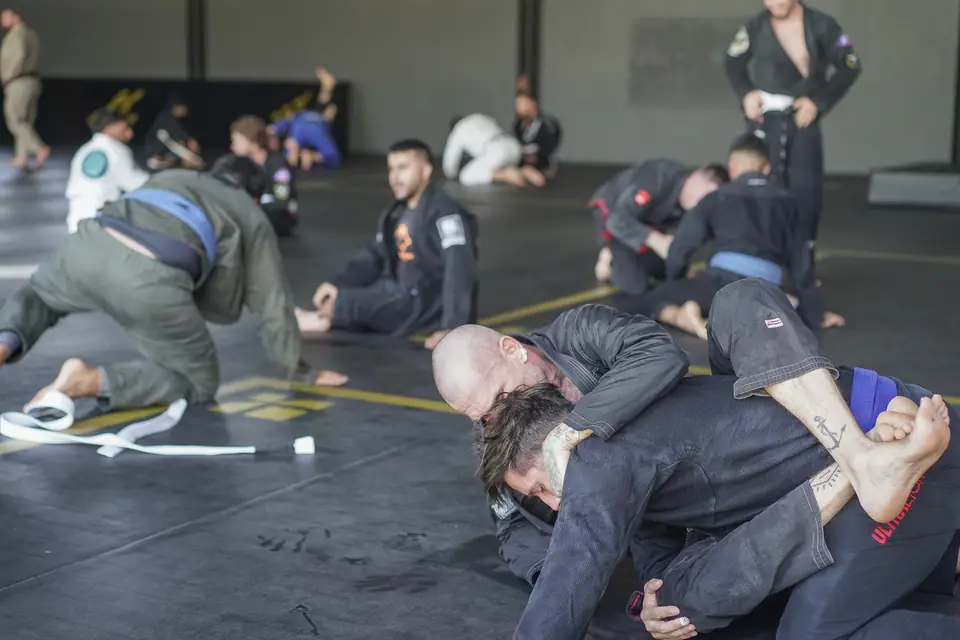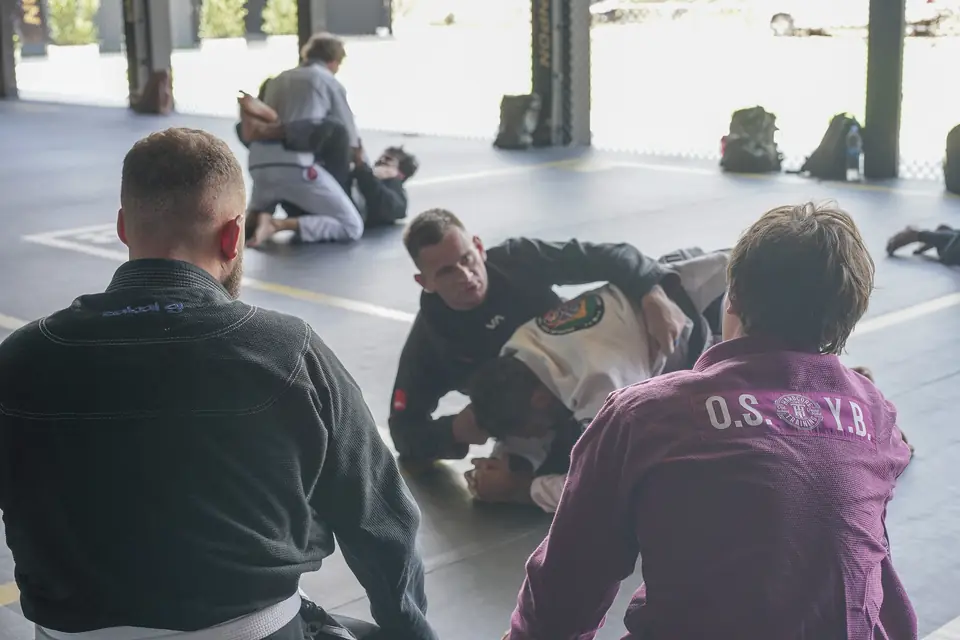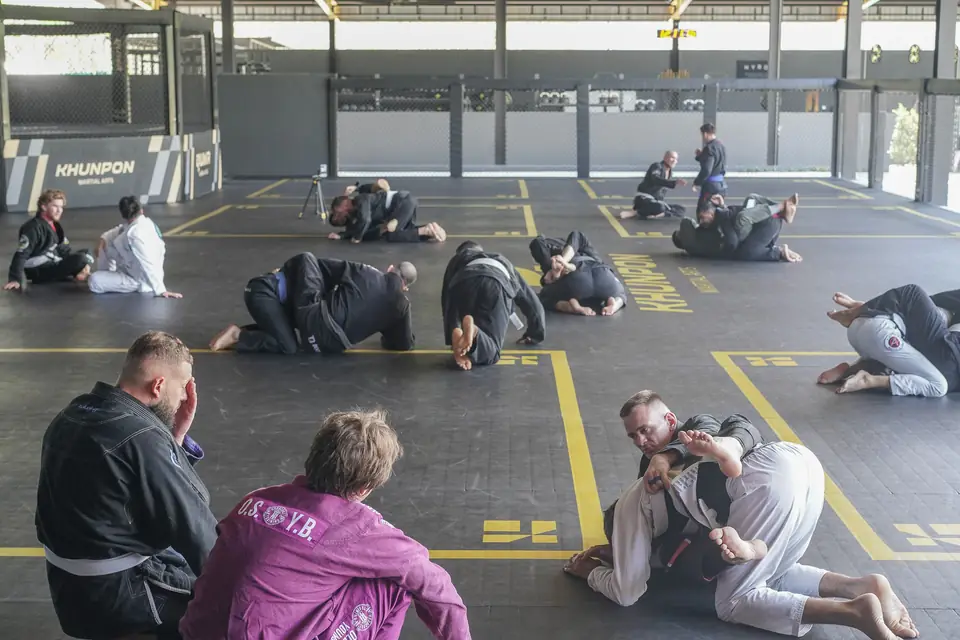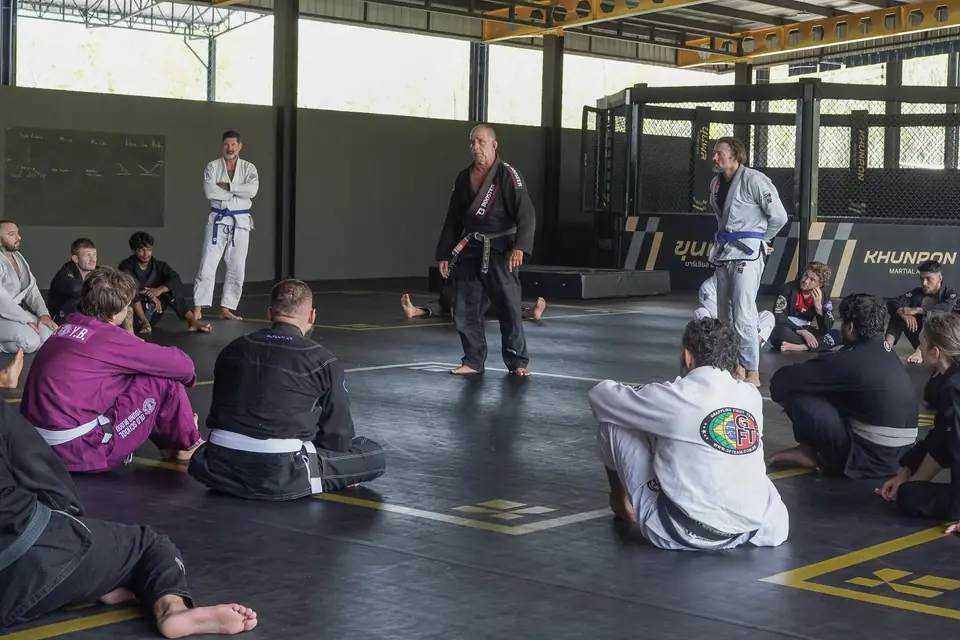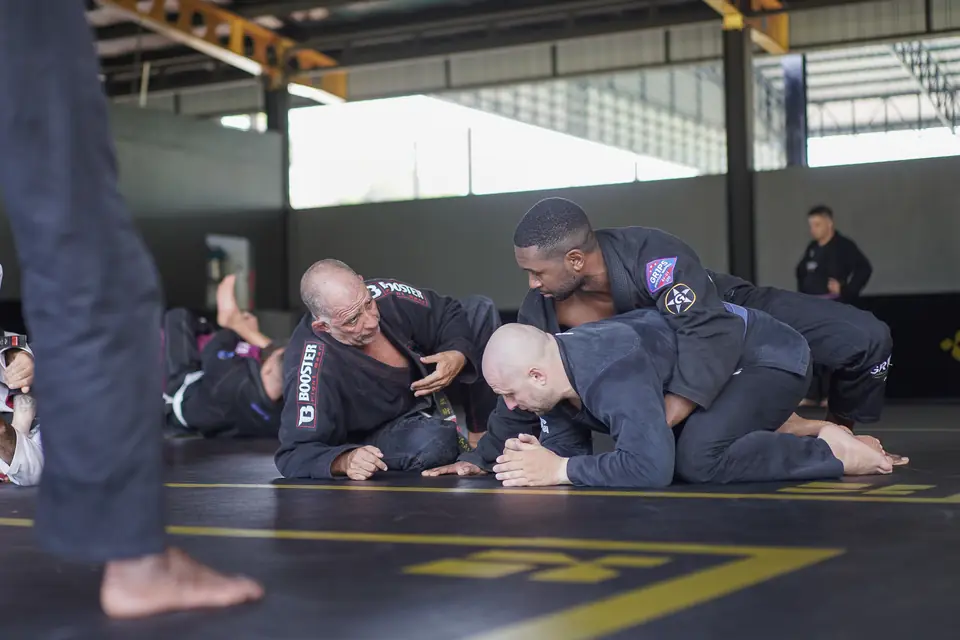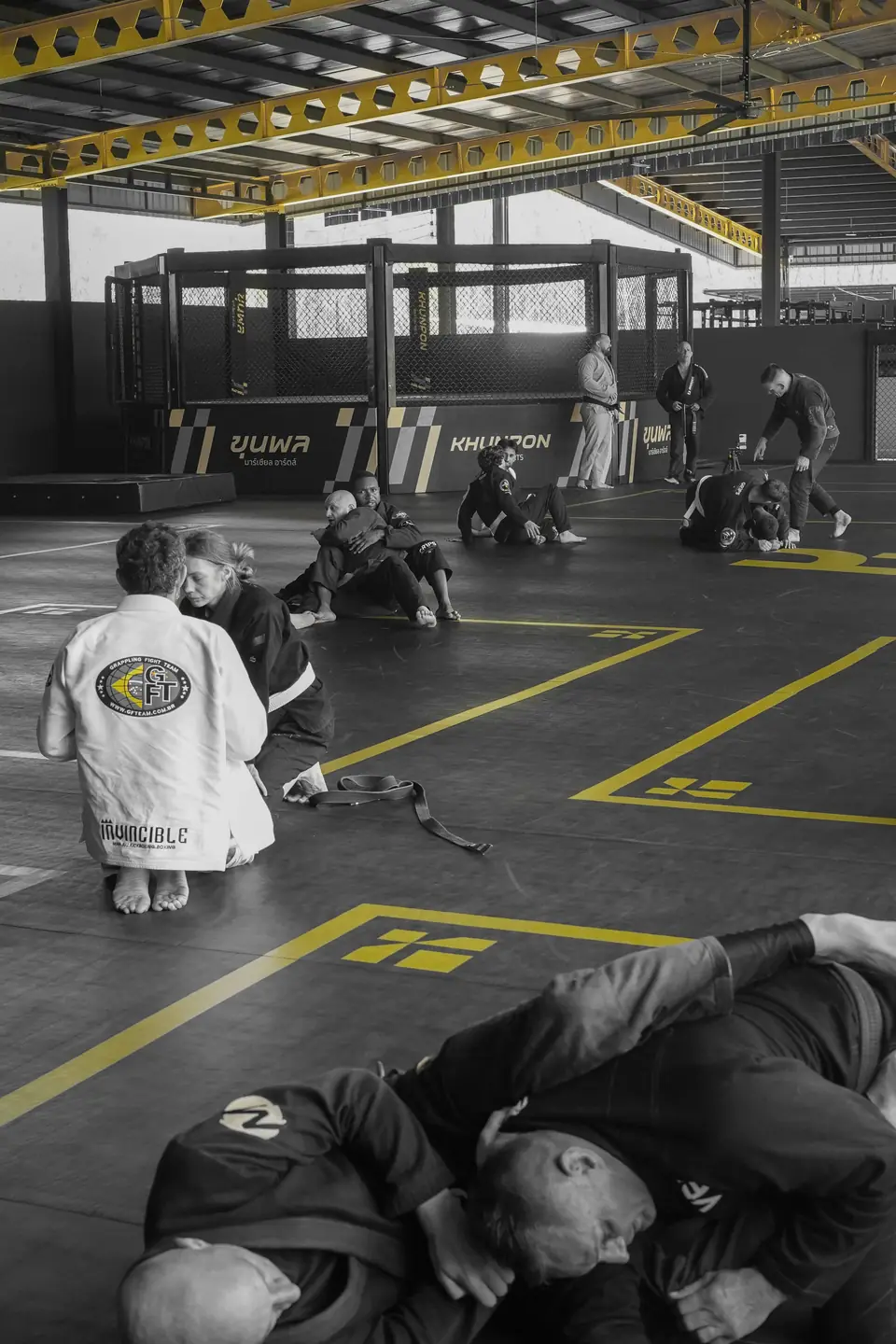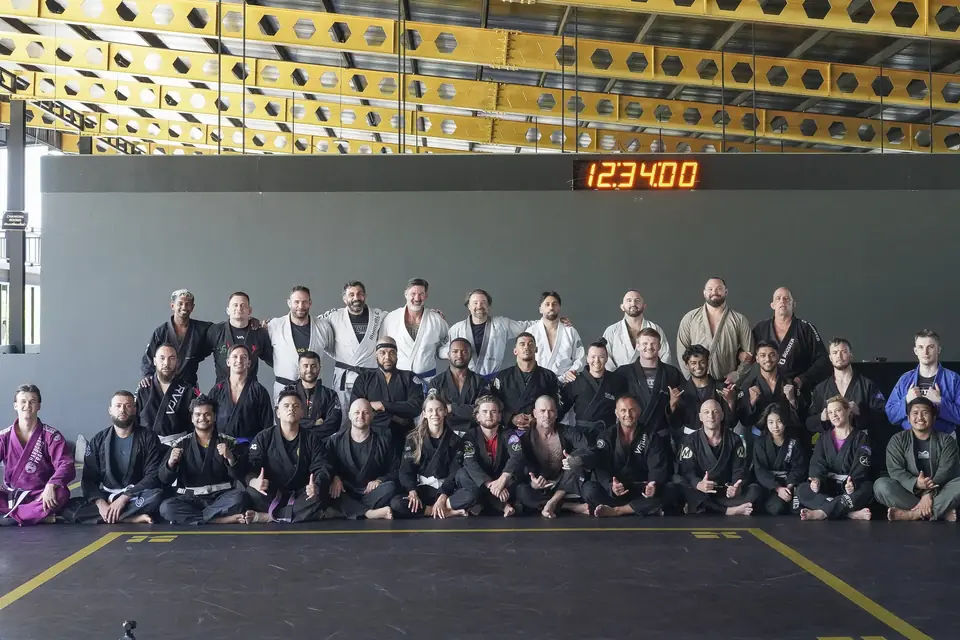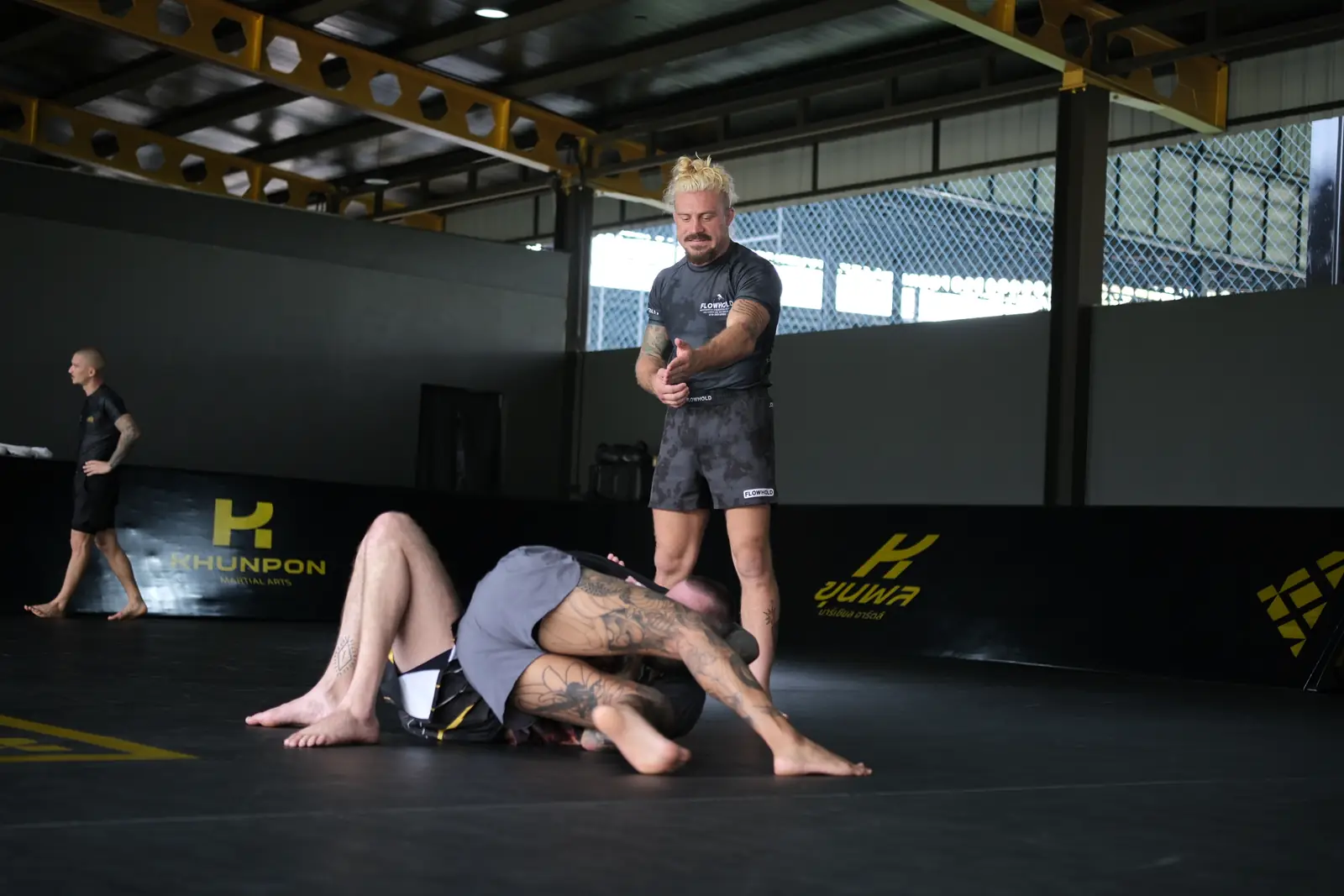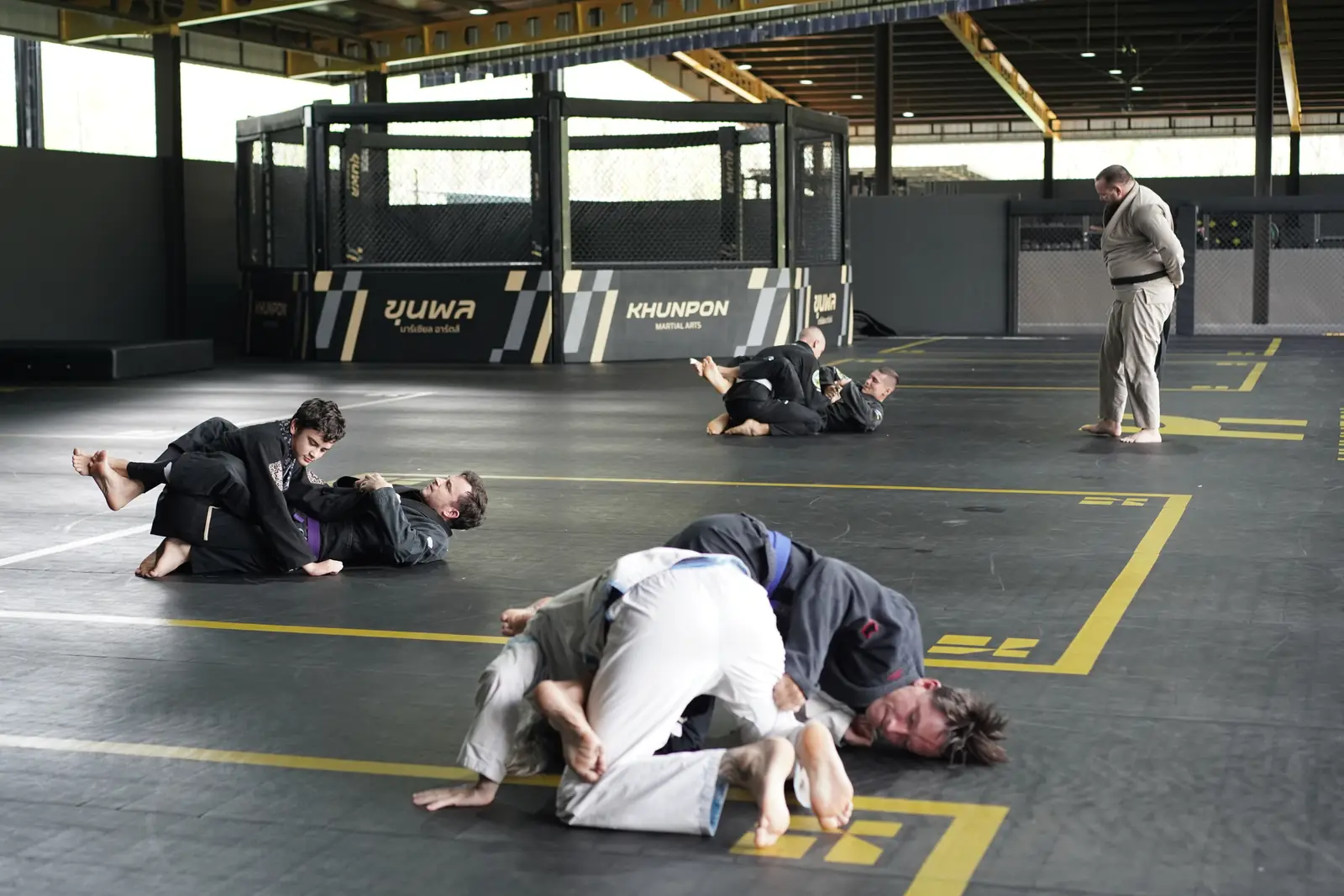
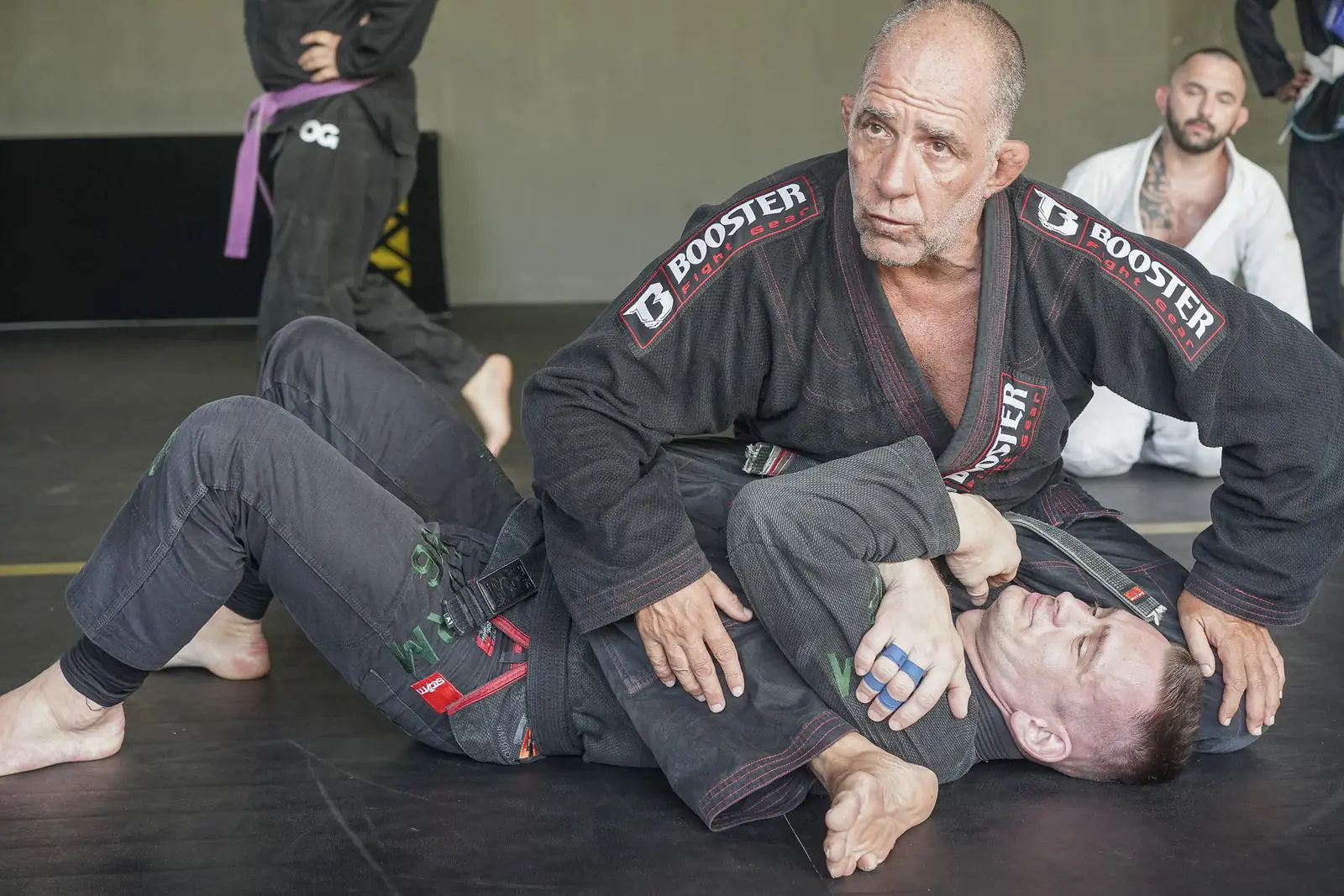
Around 50 practitioners, from white belts to black belts, gathered on Khunpon Martial Arts' mats on 11 April 2026 for a two-hour Gi Brazilian Jiu-Jitsu masterclass with Professor Olavo Abreu. Held from 11:00 to 13:00, the seminar brought our wider Jiu-Jitsu community together to learn from a teacher with a longstanding connection to Phuket.
Known to our community as "The Professor", Olavo was a guest we were privileged to welcome. At Khunpon, we regard him as one of Asia's most respected BJJ instructors. His visit mattered both for the experience he brought and for the range of people it brought together: practitioners at the beginning of their training alongside those who had already reached black belt.
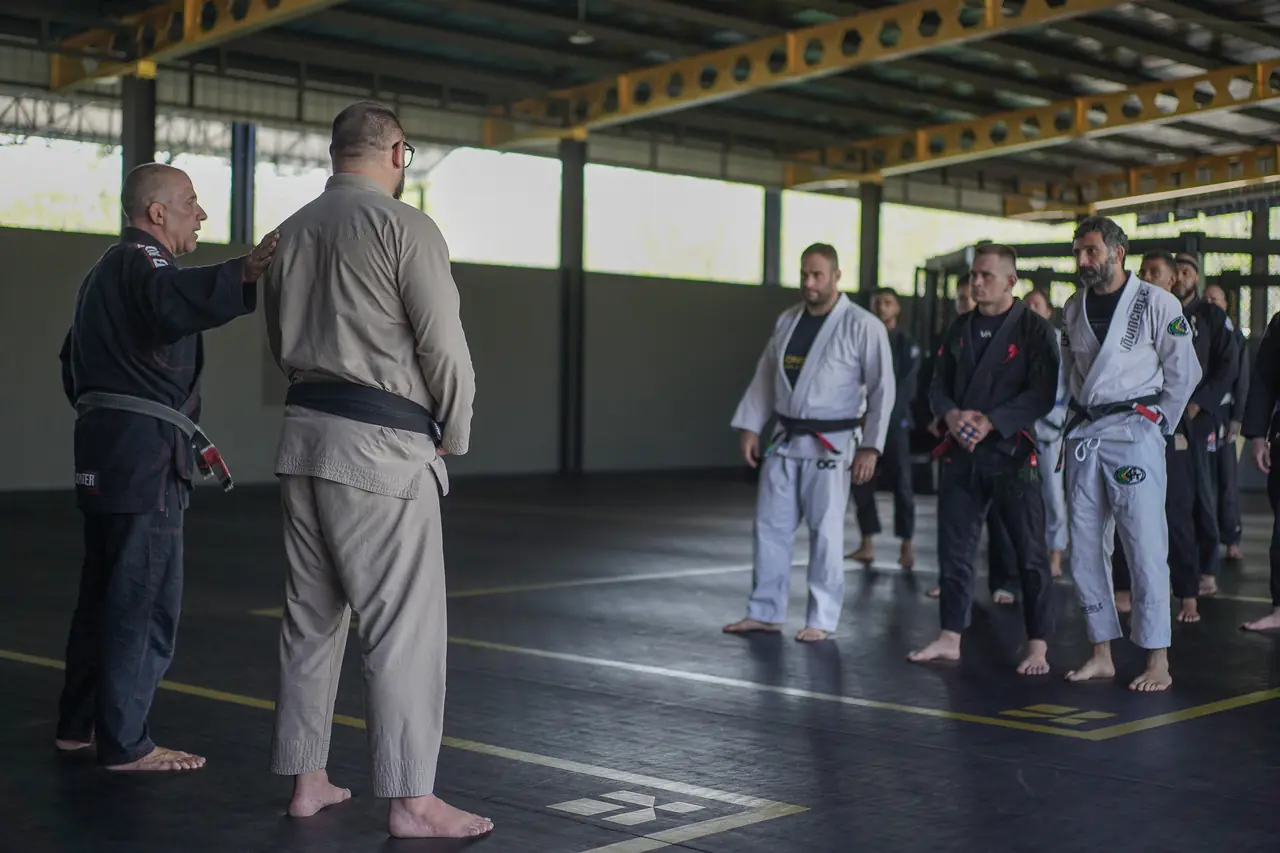
A teacher connected to Jiu-Jitsu's growth in the region
Olavo is a Brazilian Jiu-Jitsu black belt from the Carlson Gracie lineage. His background includes training at the Carlson Gracie Academy in Rio de Janeiro and teaching at Brazilian Top Team. BJJ Heroes' researched biography identifies Ricardo Libório as the instructor who awarded his original black belt in January 2002. That distinction separates his wider training lineage from the specific black-belt promotion.
His work subsequently extended beyond Brazil. BJJ Heroes documents his involvement alongside Carlos Santos in the United Arab Emirates' interschool Jiu-Jitsu programme, followed by teaching in Moscow before his move to Thailand. It also records the expansion of his association into countries including Indonesia, India and Malaysia. Those are concrete examples of his contribution to practitioners across the region.
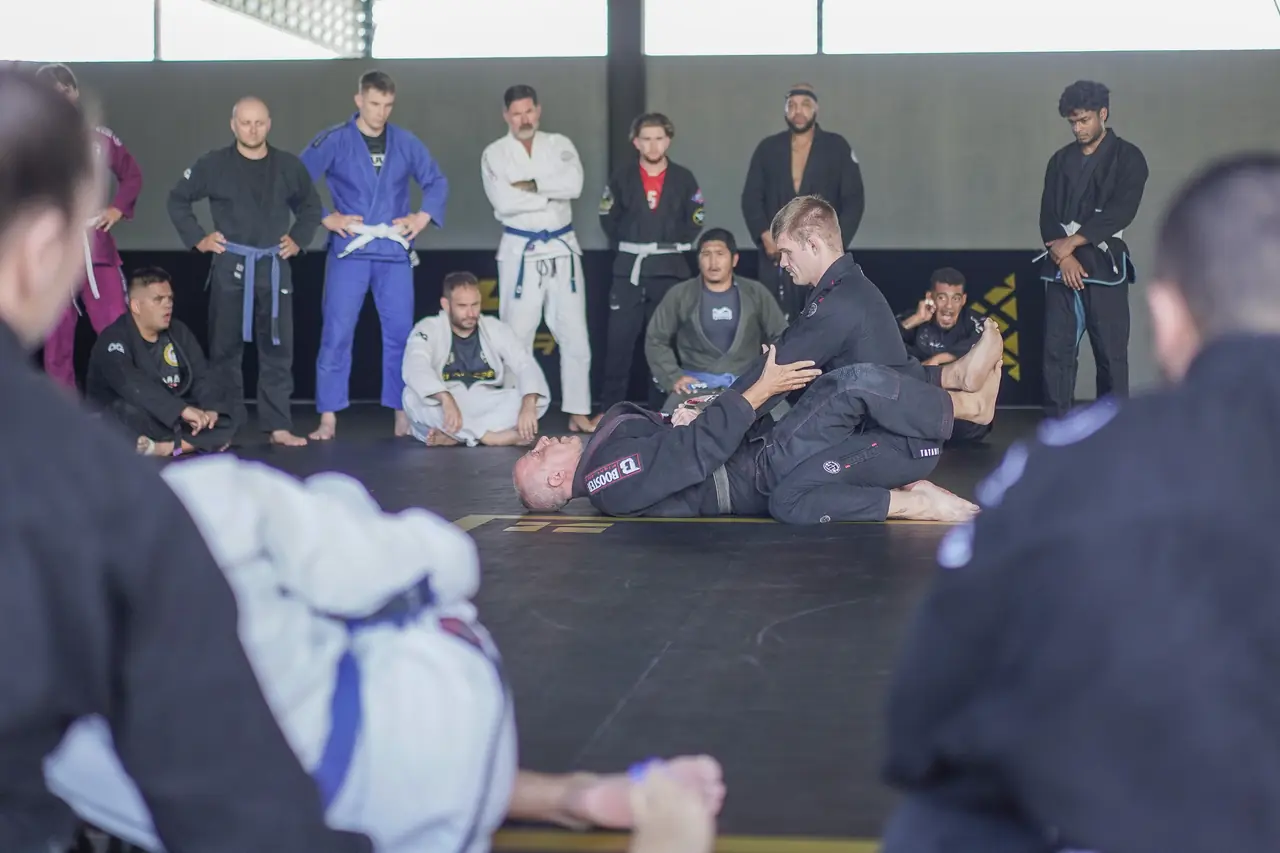
His own academy, Born to Roll, dates his arrival in Phuket to 2012 and describes his extended period as head BJJ coach at Phuket Top Team. Born to Roll now identifies him as its head coach in Rawai, Phuket. His connection to the island therefore stretches well beyond a visiting seminar appearance.
For Khunpon, that history gave the April gathering particular relevance. We were hosting someone whose work had helped develop Jiu-Jitsu opportunities in Phuket and elsewhere in Asia. Our description of him as a pioneer reflects that sustained involvement in teaching and building programmes.
Why the Gi deserves close attention
The Gi is the jacket-and-trousers uniform worn with a belt in this form of Jiu-Jitsu. It is also part of the technical challenge: the fabric gives practitioners grips with which to influence an opponent's movement and position. The importance of gripping is reflected even in the IBJJF's uniform requirements, which specify that Gi material must not prevent an opponent from gripping it.
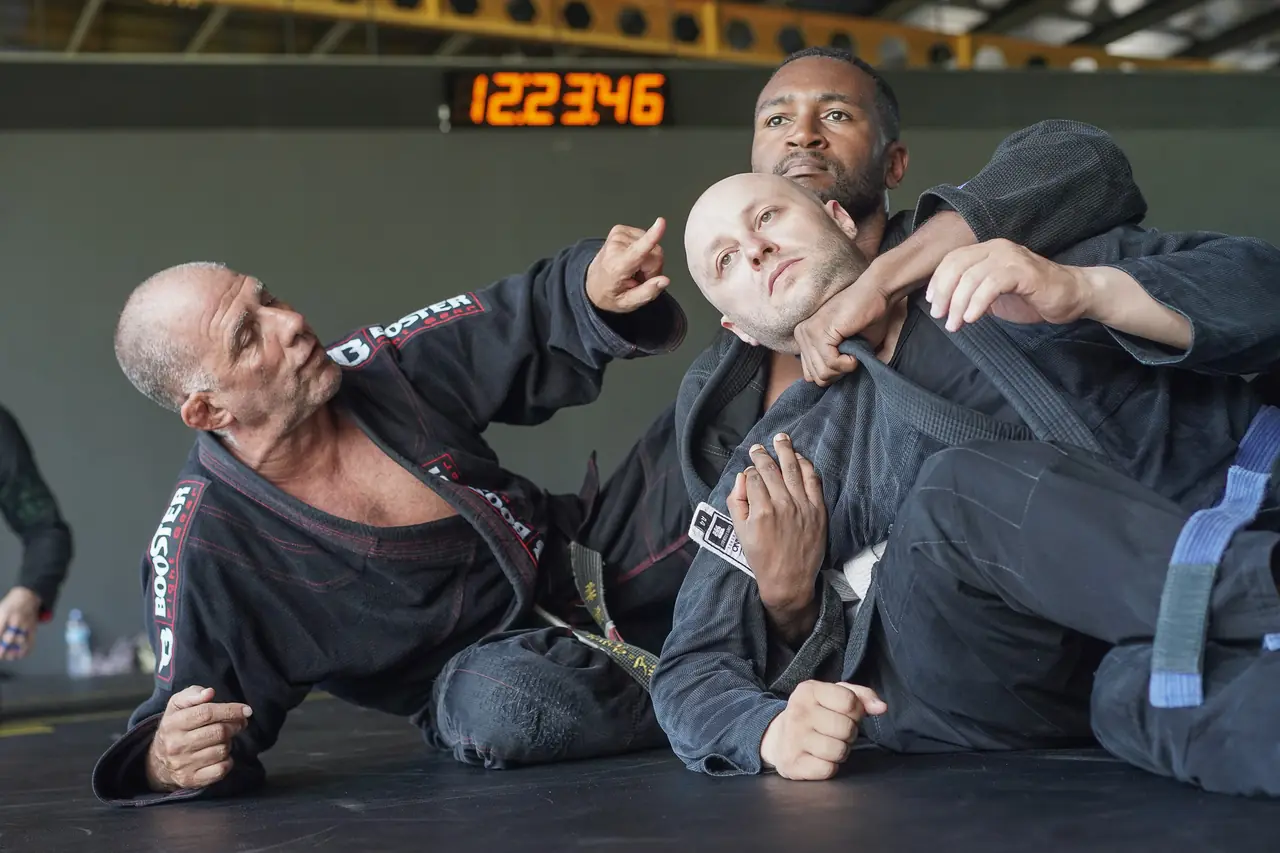
For a newcomer, the useful point is that a grip has a purpose. It can help establish control, but it must work with posture, balance and body position. The problem is not simply where to put a hand; it is how that connection affects what either person can do next.
That makes a Gi masterclass a valuable setting for close technical attention. An experienced instructor's explanation can offer another way of understanding a familiar position, while an unfamiliar idea may give a student something specific to explore in subsequent training.
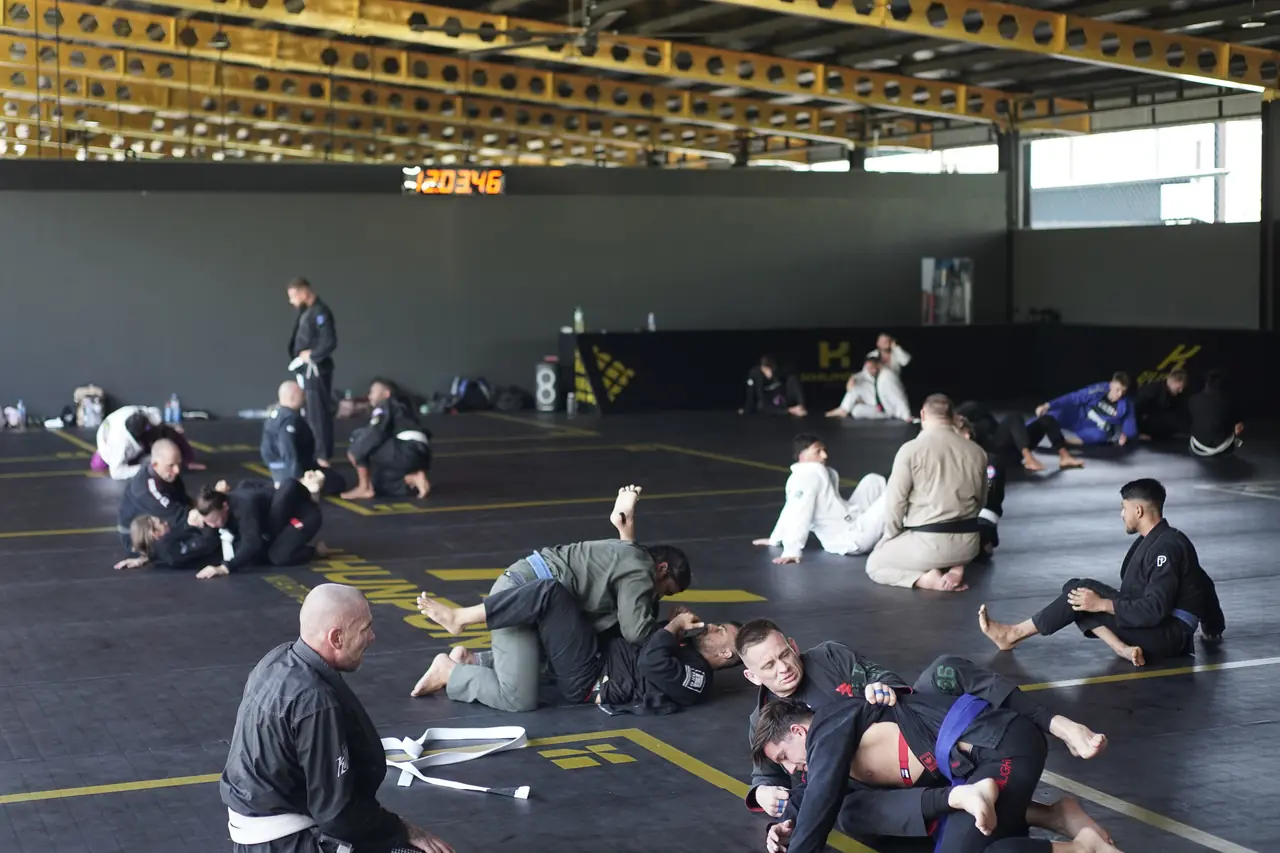
At Khunpon, dedicating two hours to Gi Jiu-Jitsu gave this part of the sport its own place in our events programme, with Professor Olavo as our guest instructor.
White belts and black belts in the same room
The breadth of the group was one of the seminar's defining features. Around 50 people attended, spanning white belt through black belt. It placed different stages of Jiu-Jitsu development together on Khunpon's mats for the same event.
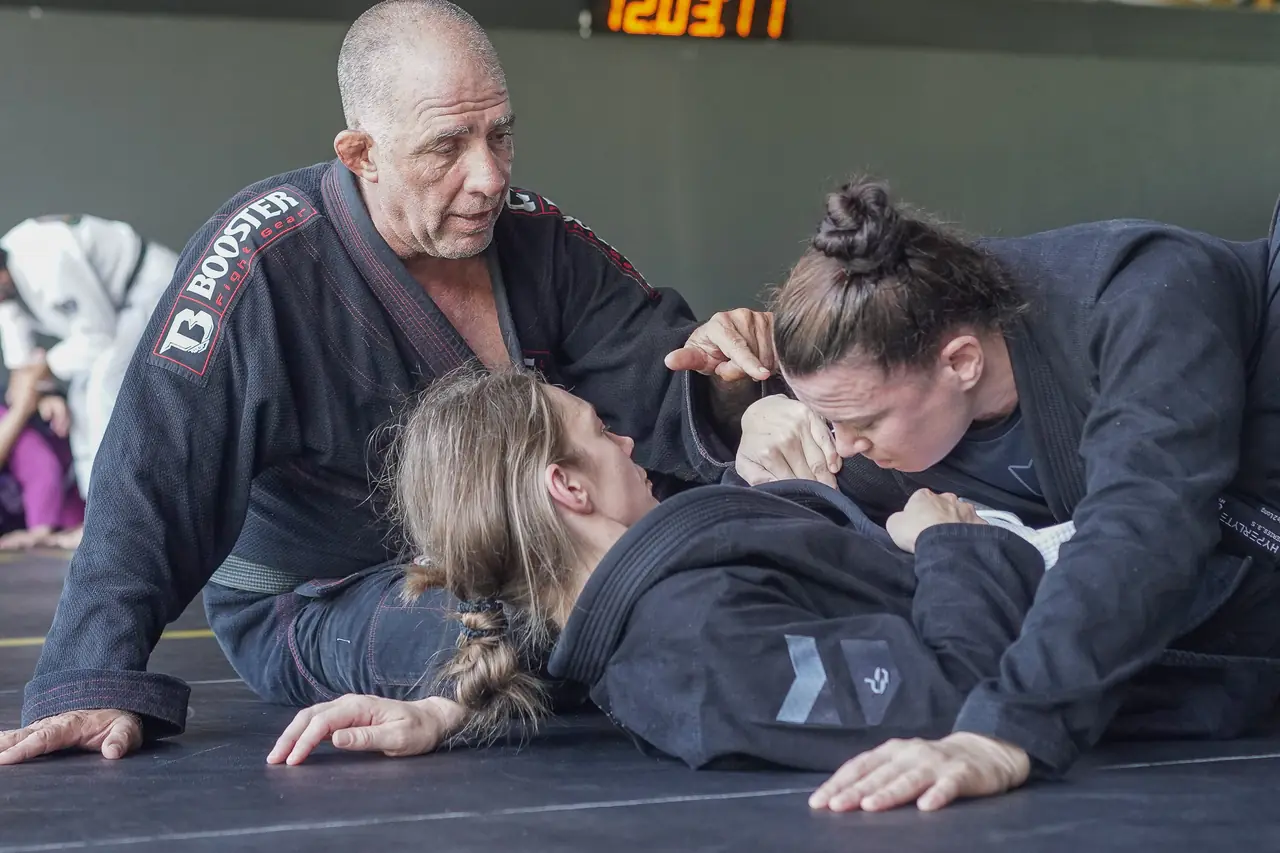
A beginner and a black belt can approach the same explanation with different questions. One may be trying to understand the basic purpose of a position; another may be considering a small adjustment or how it connects to an established approach. Neither perspective makes the other less valuable.
The value of bringing that group together lay in the shared learning environment. The seminar created a place for practitioners with very different amounts of experience to spend two hours with the same visiting teacher.
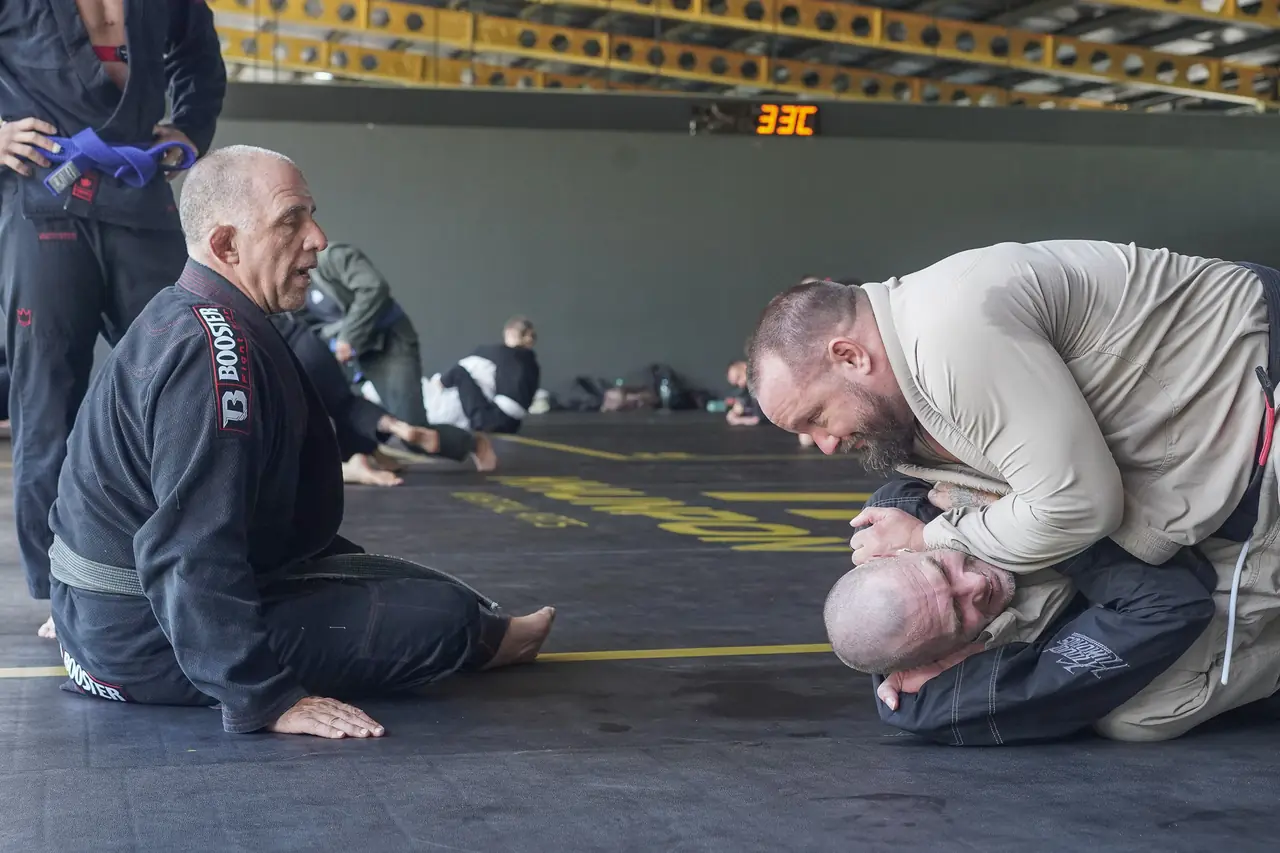
For a gym, that is a meaningful way to bring a community together: through time dedicated to the practice itself.
Taking a seminar back into regular training
A seminar can complement the consistency of weekly classes by introducing another instructor's perspective. Where the format allows, it can also offer an opportunity to ask a focused question about a problem a student has encountered in training.
Its longer-term usefulness depends partly on what happens afterwards. A practical approach is to choose one or two ideas, make clear notes and revisit them with a regular coach or training partner. Useful notes explain what an idea is intended to achieve and where it fits, rather than recording only a technique's name.
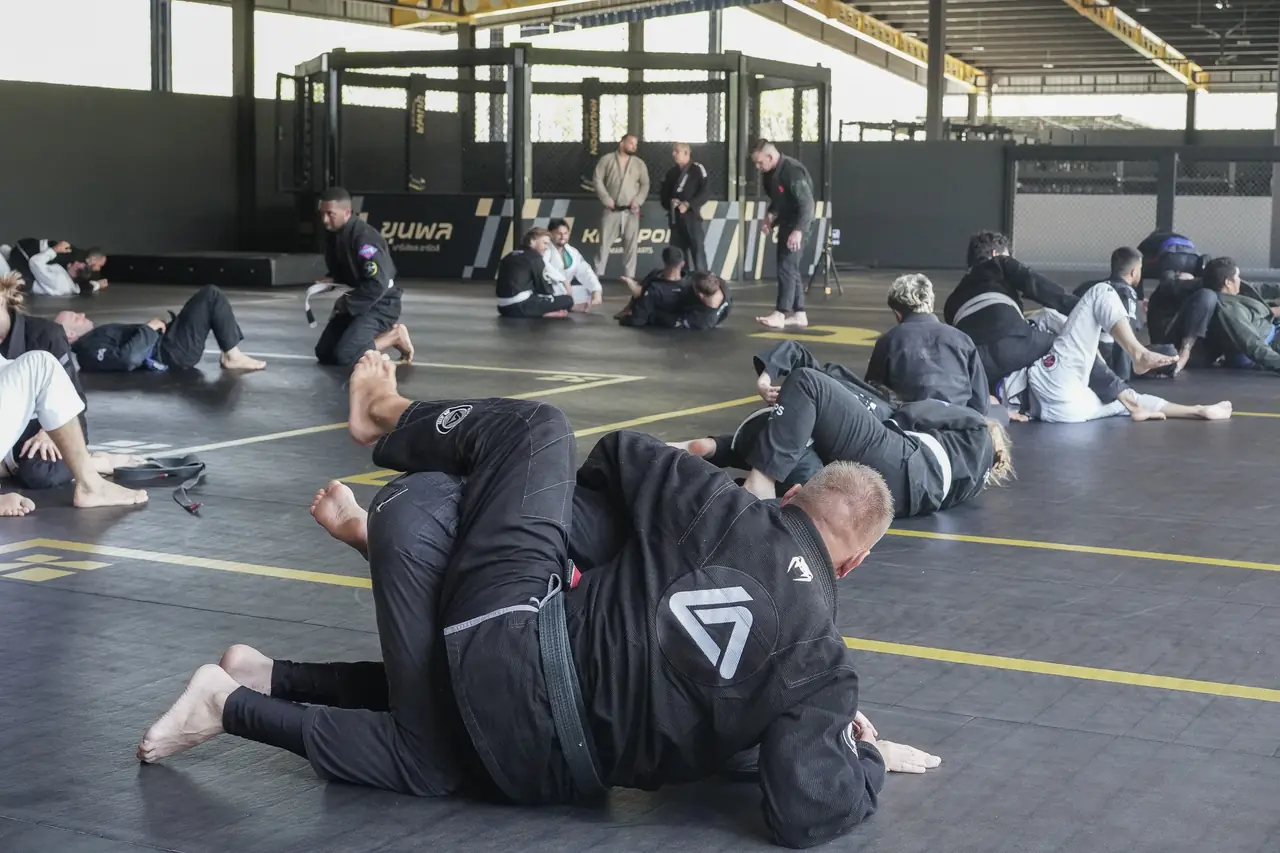
At Khunpon, the April event offered a focused occasion for learning; regular practice provides the opportunity to keep exploring what a student finds useful.
Thank you to Professor Olavo and our community
Hosting Professor Olavo was a privilege for Khunpon Martial Arts. We thank him for sharing his time with us, and everyone who attended for being part of the gathering.
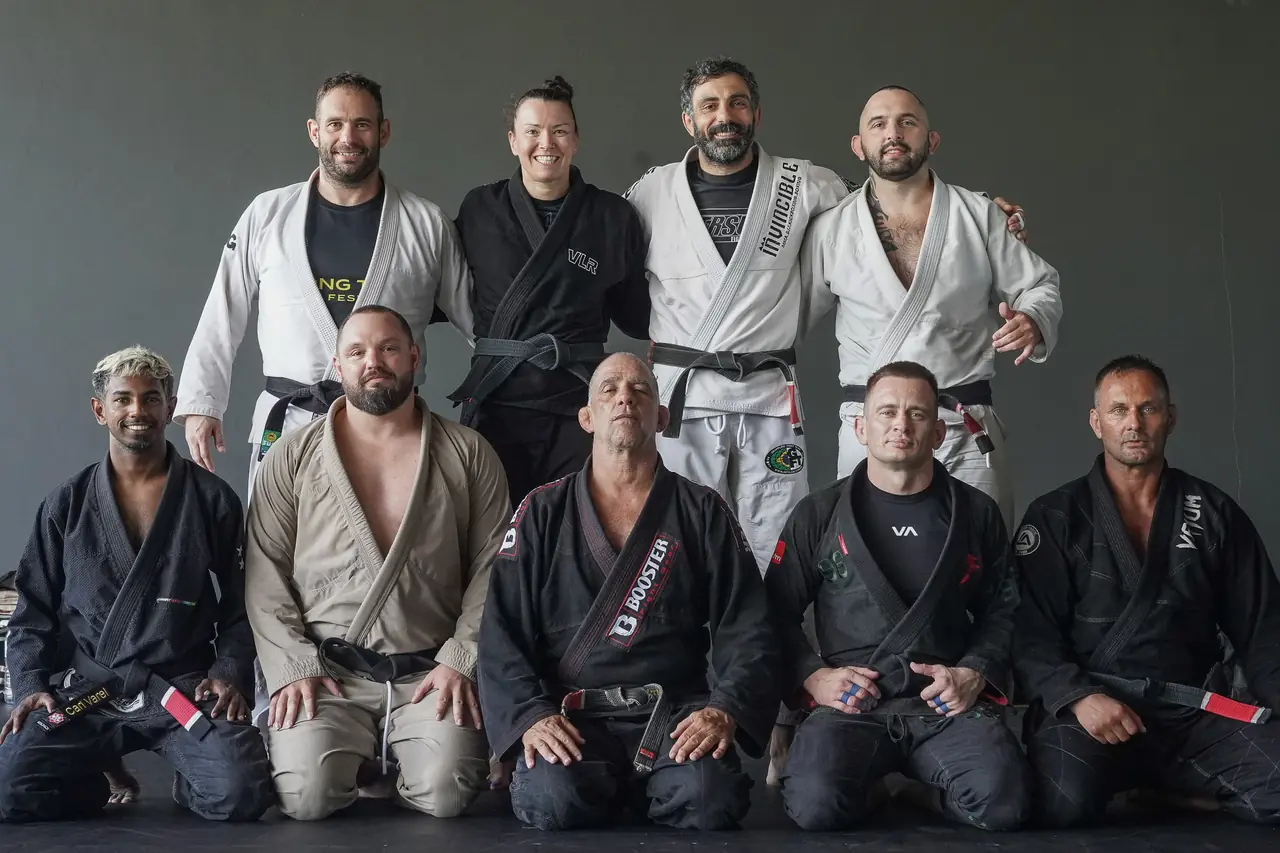
The seminar's place in our event series is grounded in something specific: around 50 practitioners, across the belt spectrum, coming together in Phuket for two hours of Gi Jiu-Jitsu with a teacher whose career has helped shape training in the region.
If you would like to begin or continue your own training, explore Gi and No-Gi Brazilian Jiu-Jitsu at Khunpon Martial Arts in Phuket, Thailand. Check the current timetable, contact the team about a suitable starting session, and follow Khunpon's official channels for future seminars and events.